
AI-Driven Resume Screening: A Clear, Practical Overview
AI-driven resume screening leverages sophisticated machine learning algorithms and natural language processing techniques to enhance the recruitment process significantly. By automating the initial candidate evaluation, this technology analyzes resumes against predefined criteria set by hiring teams, streamlining the process from application to shortlist [Source]. Typically, AI systems extract data such as skills, qualifications, and experience, allowing recruiters to quickly identify the most suitable candidates who meet the job requirements. This automation drastically reduces the time and effort associated with traditional screening methods, often filtering out around 70% of applications before they reach human reviewers [Source].
These systems analyze large volumes of applications rapidly, ensuring organizations can manage high application rates efficiently, which is vital in today’s competitive talent market. Additionally, AI-driven screening aligns with modern business needs by improving hiring accuracy and fostering a more inclusive process. A key advantage is its potential to reduce unconscious bias by focusing solely on candidates’ qualifications and skills rather than subjective human judgments [Source]. Moreover, automation enhances candidate experience through prompt responses and updates, strengthening employer branding.
Inside the AI: How Resumes Are Read, Interpreted, and Ranked
At the heart of AI resume screening lies advanced technological processes involving Natural Language Processing (NLP) and Machine Learning (ML). NLP techniques enable software to parse resumes, extracting structured data from unstructured text—for example, identifying education, work experience, and skill sets [Source]. Once data is extracted, ML algorithms evaluate candidates based on criteria established by recruiters, such as educational background or years of experience. These algorithms are trained on historical hiring data, allowing them to recognize patterns and predict candidate success [Source].
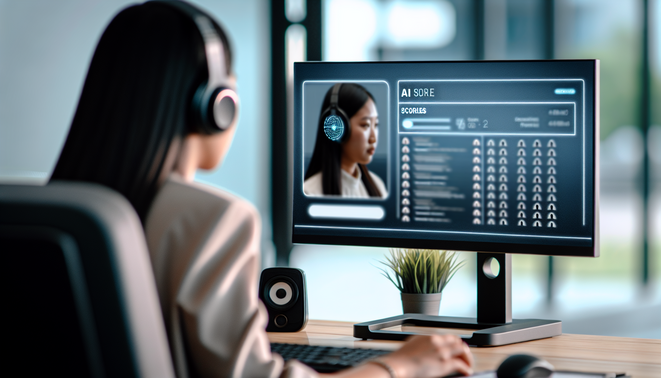
Following the assessment phase, resumes are ranked according to how well they meet the set criteria. This scoring system helps recruiters focus on top-tier candidates quickly. The sophisticated nature of these algorithms facilitates a dynamic evaluation process that can incorporate additional data points, including social media activity and performance metrics, to refine candidate evaluation further [Source].
Bias, Compliance, and Accountability: Making AI Screening Fair and Legal
One of the critical challenges in AI resume screening is the potential for bias embedded within algorithms inherited from biased training data. For example, the NIST study revealed higher error rates in facial recognition algorithms for minority groups, highlighting the risk of discrimination [Source]. To mitigate this, organizations must adhere to legal standards such as the EEOC guidelines, ensuring fairness and diversity in recruitment [Source].
Accountability is equally essential. Employers should implement transparent decision-making policies and conduct regular audits of AI systems to detect and correct biases. Establishing clear data privacy policies and informing candidates about how their data will be used are vital components of responsible AI deployment [Source]. When organizations commit to fairness, transparency, and accountability, they foster trust and legal compliance, making AI screening a valuable addition to their hiring toolkit.
Deploying AI Screening: Integration, Governance, and Metrics That Matter
Successful integration of AI resume screening into HR workflows requires seamless compatibility with existing HR management systems. Organizations should assess their current technological infrastructure to select AI tools that can connect easily through APIs or other integration methods. Effective governance involves establishing policies on data privacy, ethical usage, and oversight—defining who manages AI systems and how ongoing monitoring occurs [Source]. Transparency with candidates about AI use and decision criteria increases fairness and compliance.
Measuring success entails monitoring key metrics such as time-to-hire, quality of hire, and candidate satisfaction. Regular reviews of AI performance and comparison with traditional methods facilitate continuous improvement. AI systems should be evaluated not only on efficiency but also on fairness, bias mitigation, and contribution to overall recruitment goals [Source]. Proper deployment, combined with clear governance and metrics, unlocks AI’s full potential in recruitment.
The Future of AI Resume Screening: Trends, Ethics, and the Candidate Experience
The landscape of AI in recruitment is rapidly evolving, with Machine Learning algorithms becoming more sophisticated in identifying relevant skills and candidate potential. This trend leads to more precise shortlisting, enabling recruiters to focus on the most promising applicants [Source]. Ethical considerations are increasingly paramount, with organizations being called to ensure transparency, fairness, and inclusivity in AI decision-making processes. Implementing bias detection tools and maintaining ethical standards will be crucial in preventing discriminatory outcomes and fostering trust.
Candidate experience is expected to improve significantly as AI-powered systems enable personalized interactions, timely updates, and transparent communication. Candidates can receive real-time feedback and status updates, making the process more engaging and less opaque [Source]. Companies prioritizing ethical AI practices and candidate-centric approaches will strengthen their employer brand, attract diverse talent, and set new standards for fair hiring in the digital age.
Sources
- Technodysis – Unlock Limitless Business Potential with AI and ML
- Forbes – The Impact of AI on Recruitment and Hiring
- NIST – NIST Study Evaluates Facial Recognition Algorithms
- EEOC – Enforcement Guidance on Recruitment and Selection
- World Economic Forum – How to Manage AI Ethics and Governance
- Technodysis – AI-Powered Robotic Process Automation & Business Efficiency